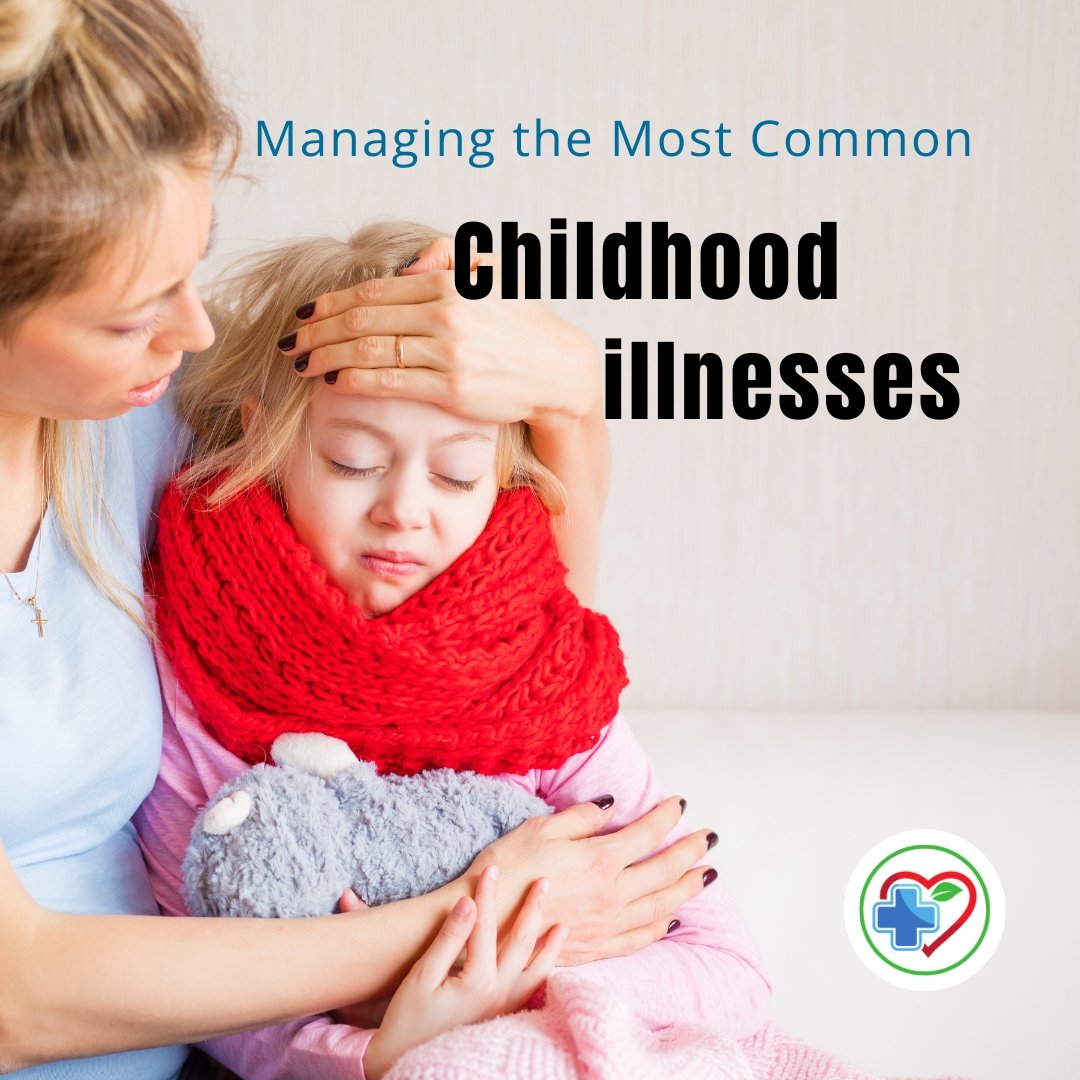
Life throws curveballs, and sometimes those curveballs come in the form of a runny nose, a persistent cough, or a grumbling tummy. Whether it's you, a partner, or especially a little one, the feeling of minor illness can quickly turn a calm day into a worried one. But here's the good news: most everyday ailments, those that aren't life-threatening or causing excruciating pain, are perfectly manageable right from your own home. Learning the ins and outs of Managing Minor Illnesses at Home not only empowers you but also provides comfort and a quicker path to recovery for you and your family.
This comprehensive guide is your trusted companion, designed to give you the confidence to navigate common health issues, understand when home remedies suffice, and, crucially, recognize when it's time to seek professional medical advice.
At a Glance: Navigating Everyday Ailments
- Most minor illnesses are manageable at home: Think colds, mild fevers, upset stomachs, and minor cuts.
- Prioritize rest and hydration: These are the bedrock of recovery for almost all conditions.
- Stock a basic home health kit: Include a thermometer, pain relievers, bandages, and specific infant supplies if needed.
- Know symptom-specific care: Learn tailored strategies for congestion, fever, digestive issues, and minor injuries.
- Understand infant-specific cues: Babies and young children show illness differently and require careful observation.
- Recognize red flags: Learn the clear indicators that warrant a call to the doctor or a visit to urgent care.
- When in doubt, always seek professional opinion: Trust your instincts, especially with children.
The Power of Preparedness: What "Minor" Really Means
Facing a sniffle or a scraped knee is an inevitable part of life. Knowing how to react confidently can make all the difference, transforming moments of worry into opportunities for compassionate care. The key is understanding what classifies an illness as "minor" and recognizing the immense power you hold in providing initial comfort and support.
Defining "Minor" Illnesses: What They Are, What They Aren't
A minor illness is generally an ailment that, while uncomfortable, doesn't pose an immediate threat to life and can often improve significantly with basic first aid, rest, hydration, and perhaps some over-the-counter (OTC) medications. These are the kinds of health hiccups that typically don't require a doctor's visit, allowing you to recover in the comfort of your own home.
Common examples include:
- For Adults & Older Children: Colds, sinus congestion, sore throats, mild flu-like symptoms, low-grade fevers, nausea, mild diarrhea, stomach upset, minor cuts/scrapes/burns, sprains/strains/muscle soreness.
- For Infants & Small Children: Common cold, mild ear infections (always consult a doctor if suspected), bronchiolitis, hand-foot-mouth disease, gastroenteritis (mild cases), abdominal distension, colic, chickenpox (once diagnosed), diaper rash, heat rash, cradle cap, and certain urinary tract infections (UTIs – often require diagnosis but can have home support).
It's crucial to distinguish these from more serious conditions that might present with excruciating pain, severe difficulty breathing, sudden loss of function, or symptoms that rapidly worsen. If you're ever uncertain, leaning on the side of caution and seeking medical advice is always the safest approach.
Why Home Management Matters: Empowerment, Comfort, and Avoiding Unnecessary Trips
Effective home management isn't just about saving a trip to the doctor; it's about empowerment. It means creating a healing environment tailored to your comfort and needs. For children, being sick at home, surrounded by familiar faces and objects, can be significantly less stressful than a sterile clinic visit.
Furthermore, judicious home care helps reserve medical resources for those who truly need them. By confidently addressing minor issues, you contribute to a more efficient healthcare system and keep yourself and your family away from waiting rooms where more serious contagions might lurk. This guide aims to equip you with the knowledge to make those informed decisions with confidence.
Your Home Health Arsenal: Essential Tools for Minor Illnesses
Being prepared is half the battle when a minor illness strikes. A well-stocked medicine cabinet and a dedicated baby first aid kit can save you frantic late-night trips to the pharmacy and ensure you have what you need right when you need it. Think of these as your personal health toolkit, ready to deploy.
Building a Basic Medicine Cabinet (General Items)
For adults and older children, a few key items can cover a wide range of minor ailments.
- Thermometer: A digital thermometer is essential for accurately checking body temperature.
- Pain Relievers/Fever Reducers: Acetaminophen (Tylenol) and Ibuprofen (Advil, Motrin) are staples. Always check dosages based on age and weight.
- Bandages and Antiseptics:
- Assorted adhesive bandages (various sizes).
- Antiseptic wipes or spray (e.g., hydrogen peroxide, rubbing alcohol, or a mild antiseptic solution).
- Sterile gauze pads and adhesive tape.
- Topical Treatments:
- Antibiotic ointment for minor cuts and scrapes.
- Hydrocortisone cream for insect bites, rashes, or minor skin irritation.
- Aloe vera gel for mild burns or sunburn.
- Allergy Relief: Antihistamines (oral or topical) for allergic reactions, itching, or seasonal allergies.
- Digestive Aids:
- Antacids for heartburn or indigestion.
- Anti-diarrhea medication (for adults, use cautiously).
- Laxatives for occasional constipation.
- Cold & Cough Relief:
- Saline nasal spray or drops.
- Cough drops or lozenges (for adults and children old enough to safely use them).
- Humidifier (cool-mist is generally safest).
- Hydration: Oral rehydration solutions (like Pedialyte) for fluid loss due to vomiting or diarrhea.
Remember to regularly check expiration dates and store all medications safely out of reach of children.
The Baby's First Aid Kit: Specifics for Little Ones
Infants and small children require a specialized kit due to their delicate systems and different dosage requirements.
- Baby Thermometer: Digital, rectal for accuracy in infants.
- Saline Nasal Drops and Nasal Aspirator (Bulb Syringe): Crucial for clearing tiny stuffy noses.
- Infant Acetaminophen/Ibuprofen: Always consult your pediatrician for proper dosage based on your baby's age and weight before administering.
- Cotton Balls and Petroleum Jelly: For delicate skin and application of ointments.
- Gauze and Adhesive Bandages: Gentle, hypoallergenic options for sensitive skin.
- Tweezers: For splinters or removing small objects.
- Diaper Rash Cream: A barrier cream to soothe and protect irritated skin.
Having these items on hand means you can address common issues swiftly and confidently, providing immediate relief for your little one.
Foundational Care: The Bedrock of Recovery
Regardless of the specific ailment, two pillars support all at-home minor illness management: rest and hydration. These aren't just suggestions; they are fundamental requirements for your body's natural healing processes.
Rest: Your Body's Best Medicine
When you or a loved one is battling an illness, your body is working overtime to fight off invaders and repair tissues. Rest is paramount because it frees up energy that would otherwise be spent on daily activities, allowing your immune system to function more effectively.
- Prioritize 24-48 Hours of Reduced Activity: Encourage extra sleep and quiet activities. For adults, this might mean a day or two off work. For children, it's about keeping them home from school or daycare.
- Create a Conducive Environment: A dark, quiet, and comfortable room aids restful sleep.
- Listen to Your Body: Don't push through fatigue. Naps, even short ones, can be incredibly beneficial.
For infants and small children, rest can be trickier. They might be fussier or sleepier than usual. Follow their cues, offer extra cuddles, and maintain their usual sleep routine as much as possible, perhaps with added naps if they seem tired.
Hydration: Fueling the Healing Process
Fever, vomiting, and diarrhea can quickly lead to dehydration, making symptoms worse and prolonging recovery. Adequate fluid intake is critical for every bodily function, especially when sick.
- Water is Your Best Friend: Plain water is always a good choice.
- Electrolyte Drinks: If fluids are lost due to vomiting or diarrhea, electrolyte-rich drinks (like sports drinks for adults, or specific oral rehydration solutions for children) can help replenish essential salts and sugars.
- Warm Teas & Broths: These can be soothing for sore throats and upset stomachs, and the warmth can help clear congestion.
- For Infants: Continuously offer breast milk or formula. These provide both nutrition and essential hydration. Avoid plain water for infants under six months unless advised by a doctor.
Signs of Dehydration to Watch For: Reduced urination, dry mouth and tongue, lack of tears (in children), lethargy, dizziness, and sunken soft spot (fontanelle) in infants. If you notice these signs, seek medical advice promptly.
Symptom-Specific Strategies: Tailored Relief for Common Woes
Once the foundational care of rest and hydration is in place, you can turn your attention to addressing specific symptoms that are causing discomfort. These targeted approaches can provide significant relief and make the recovery process more bearable.
Taming the Heat: Managing Fever and Discomfort
Fever is a sign that the body's immune system is actively fighting an infection. While it can be unsettling, especially in children, it's often a natural and beneficial response. The goal of home care is to manage discomfort and prevent overheating, not necessarily to eliminate the fever entirely unless it's dangerously high or causing severe distress.
- Prioritize Comfort: Encourage extra rest.
- Lukewarm Baths or Wet Washcloths: Sponge baths with lukewarm (not cold) water can help reduce body temperature. Placing cool, wet washcloths on the chest, tummy, neck, or underarms can also provide relief.
- Lightweight Clothing & Cool Room: Dress in light layers and keep the room at a comfortable, cool temperature. Avoid bundling, which can trap heat.
When to Use Medication (and When to Hold Off)
- Infant Acetaminophen or Ibuprofen: After consulting a doctor about appropriate dosage, these medications can reduce fever and alleviate discomfort. Always check the age restrictions: ibuprofen is generally not recommended for infants under six months.
- For Adults/Older Children: Over-the-counter acetaminophen or ibuprofen can be used.
- Focus on How They Feel: If a child has a low-grade fever but is otherwise playing and eating normally, medication might not be necessary. If they're miserable and uncomfortable, that's when medication can help.
Breathing Easier: Congestion, Colds, and Coughs
Colds and congestion are among the most common minor illnesses, causing stuffy noses, sneezing, and coughing. The key to relief often lies in moistening nasal passages and clearing mucus.
- Humidity is Your Friend: Use a cool-mist humidifier in the bedroom, especially at night. Alternatively, sitting in a steamy bathroom for 10-15 minutes can help loosen mucus.
- Saline Solutions: Saline nasal drops or sprays can moisten nasal passages, making it easier to blow the nose (for older children and adults) or to gently remove mucus with a bulb syringe (for infants).
- Elevate the Head: For babies over six months, slightly elevating their head (e.g., by placing a firm wedge under the mattress – never use pillows for infants) can help mucus drain. For older children and adults, an extra pillow can make breathing easier.
- Warm Liquids: For sore throats accompanying colds, warm liquids like tea (chamomile or honey-lemon for children over 12 months) or broth can be very soothing.
Navigating Cough and Cold Meds for Kids
Important: Over-the-counter cough and cold medications are generally not recommended for infants and children under two years of age due to potential serious side effects. Always consult your pediatrician before giving any such medication to young children. For older children, choose products specifically formulated for their age group and follow dosage instructions precisely.
Soothing the Stomach: Nausea, Diarrhea, and Upset Tummy
Digestive discomfort can range from mild indigestion to more persistent nausea, vomiting, or diarrhea. The focus here is on calming the digestive system and preventing dehydration.
- Gentle Approaches for Infants: For gas pains or mild upset, gentle abdominal massage (in a clockwise direction) and rocking can provide comfort.
- Bland Food Diet: For older children and adults, stick to bland foods like toast, rice, applesauce, and bananas (the "BRAT" diet). Avoid fatty, spicy, acidic, or heavily processed foods that can irritate the stomach.
- Small, Frequent Sips: Instead of large gulps, take small, frequent sips of water, clear broths, or oral rehydration solutions.
- Warm Liquids: Warm water, clear broth, or chamomile tea (for children over 12 months) can help soothe an upset stomach.
- Rest the Stomach: If vomiting, try to rest the stomach for an hour or two before attempting sips of fluid.
Monitor for Dehydration: This is especially critical with vomiting and diarrhea. Watch for signs like reduced urination, dry mouth, or lethargy, and seek medical attention if severe dehydration is suspected.
Ease the Ache: Sore Throats and Body Pains
A sore throat can be a symptom of a common cold or other viral infections, while body aches often accompany flu-like illnesses.
- Warm Liquids: As mentioned for colds, warm liquids like tea (with honey for children over 12 months), warm water with lemon, or broth can provide significant relief for a sore throat.
- Saltwater Gargle: For older children and adults, gargling with warm salt water can help soothe a sore throat and reduce swelling.
- Throat Lozenges/Sprays: For adults and older children, throat lozenges or sprays can temporarily alleviate pain.
- Over-the-Counter Pain Relievers: Acetaminophen or ibuprofen can help reduce body aches and general discomfort.
Handling Minor Bumps and Scrapes: First Aid Basics
Minor injuries are a fact of life, particularly with active children. Knowing how to clean and protect them is key to preventing infection.
- Clean Gently: Wash the wound thoroughly with mild soap and water. Remove any visible dirt or debris.
- Apply Antiseptic: A dab of antiseptic ointment (like Neosporin) can help prevent infection.
- Cover and Protect: Apply a clean adhesive bandage or sterile gauze and tape. This keeps the wound clean and protected from further injury.
- Monitor for Infection: Watch for signs of infection, such as increasing redness, swelling, warmth, pus, or fever. If these appear, consult a doctor.
When Muscles Groan: Sprains, Strains, and R.I.C.E.
Muscle soreness, sprains, and strains typically result from overexertion or minor injury. The R.I.C.E. method is the gold standard for immediate home care.
- R - Rest: Stop using the injured area. Continuing activity can worsen the injury.
- I - Ice: Apply ice packs (wrapped in a cloth to prevent frostbite) to the injured area for 15-20 minutes at a time, several times a day. This helps reduce swelling and pain.
- C - Compression: Gently wrap the injured area with an elastic bandage to help reduce swelling. Ensure it's snug but not too tight (it shouldn't cause numbness or increased pain).
- E - Elevation: Elevate the injured limb above the level of the heart if possible. This also helps reduce swelling.
Over-the-counter pain relievers like ibuprofen can help manage pain and inflammation. If pain is severe, movement is significantly limited, or symptoms don't improve after a few days, seek medical attention.
Understanding Infant & Child Symptoms: What to Watch For
Caring for a sick baby or young child can be particularly challenging because they can't articulate how they feel. This means you need to be an astute observer of their subtle cues and changes. Your instincts are incredibly important here.
Subtle Cues: Changes in Behavior, Eating, and Sleep
Infant illnesses often manifest as changes from their normal patterns. Pay close attention to:
- Changes in Behavior: Are they unusually fussy, irritable, or inconsolate? Or are they unusually quiet, listless, or unresponsive?
- Changes in Routine: Are they not engaging in typical play? Are they more sleepy or difficult to wake up?
- Feeding Patterns: Are they refusing to eat or drink, or taking significantly less than usual? Are they having difficulty sucking or swallowing?
- Sleep Patterns: Are they sleeping much more or much less than usual? Are they waking frequently and crying?
- Skin Color: Look for unusual paleness, grayish or bluish tinge, or jaundice (yellowing).
- Rashes: Any new or unusual rashes, especially purplish, red, or spotty ones, warrant attention.
Any significant change from their baseline behavior should be noted and considered a potential symptom of illness.
Beyond the Basics: Recognizing Key Red Flags for Little Ones
While many infant illnesses are minor, some symptoms in babies are immediate calls for concern. Do not hesitate to contact your pediatrician or seek urgent care if you observe any of the following:
- Fever: Any fever of 100.4 degrees F (38 degrees C) or higher in an infant less than 12 months old. For newborns (under 2-3 months), any fever should be immediately evaluated by a doctor.
- Difficulty Breathing: Rapid breathing, labored breathing, wheezing, flaring nostrils, grunting, or pauses in breathing.
- Unusual Skin Color: Pale gray, pale blue (especially around the mouth or fingertips), or jaundice (yellowing of skin or eyes).
- Purplish, Red, or Spotty Rash: Especially if it doesn't fade when pressed (non-blanching).
- Limpness or Floppiness: The baby seems unusually weak, limp, or doesn't respond normally.
- Not Responding Normally: Unusually drowsy, difficult to wake, staring vacantly, or not making eye contact.
- Refusal to Eat or Drink: Especially if persistent or accompanied by other symptoms of dehydration.
- Incessant Vomiting or Diarrhea: Frequent, forceful vomiting or continuous watery diarrhea, particularly if signs of dehydration are present.
- Severe, Inconsolable Crying: Crying that you can't comfort, especially if it's high-pitched or unusual for your baby.
- Symptoms Worsen: If any minor symptoms you're managing at home suddenly get worse.
- Any Other Concern: If you simply feel something isn't right with your baby's health – trust your gut.
When it comes to children, especially infants, your vigilance is their primary protection.
The Crucial Question: When to Call for Backup
Knowing when to manage an illness at home versus when to seek professional medical help is perhaps the most important skill in family health. It requires careful observation, an understanding of red flags, and a willingness to trust your instincts. Remember, it's always better to err on the side of caution.
General Red Flags: When to Seek Urgent Care
Urgent care centers are designed for conditions that need prompt attention but aren't life-threatening emergencies. They are a valuable resource when home care isn't sufficient or you need professional assessment.
Consider an urgent care visit for:
- Fevers:
- Lasting more than 48–72 hours, especially if it's recurrent.
- Unresponsive to over-the-counter fever-reducing medications after several doses.
- Any fever accompanied by a stiff neck, severe headache, confusion, or rash.
- Pain:
- Moderate to worsening pain that doesn't improve with home care or OTC medication.
- Sudden, severe, or unexplained pain.
- Increasing swelling or redness around an injury or infection site.
- Gastrointestinal Issues:
- Persistent nausea, vomiting, or diarrhea that interferes with hydration or nutrition.
- Signs of dehydration (reduced urination, dizziness, fatigue, dry mucous membranes, sunken eyes).
- Blood in vomit or stool.
- Respiratory Symptoms:
- Shortness of breath, chest tightness, wheezing, or persistent, worsening cough.
- Difficulty speaking due to breathlessness.
- Rapid or labored breathing.
- Minor Injuries Requiring Assessment:
- Deep cuts that might need stitches.
- Burns larger than the palm of your hand, those that blister, or are on the face/hands/genitals.
- Suspected fractures or dislocations (e.g., inability to bear weight, visible deformity).
- Wounds that show signs of infection (pus, increasing redness/warmth/pain).
- Musculoskeletal Injuries: Limited range of motion, increasing pain, or swelling after a sprain or strain.
- Other Worsening Symptoms: Ear pain, sinus pressure, sore throat, or flu-like symptoms that worsen significantly or fail to improve with home care after 48–72 hours.
- Any symptom persisting beyond 48-72 hours or clearly worsening should be evaluated.
Specific Concerns for Infants and Young Children: Don't Hesitate
For infants and young children, the threshold for seeking professional help is generally lower. Their small bodies can deteriorate rapidly, and some symptoms are immediate cause for concern. As highlighted previously, always consult a doctor immediately for:
- Fever of 100.4°F or higher in infants less than 12 months old. (For newborns, any fever).
- Difficulty breathing or pauses in breathing.
- Unusual skin color (pale gray, pale blue, or jaundice).
- A purplish, red, or spotty rash that doesn't fade when pressed.
- Limpness or floppiness.
- Not responding normally, lethargy, or being difficult to rouse.
- Refusal to eat or drink persistently.
- Incessant vomiting or diarrhea, especially with signs of dehydration.
- Severe, inconsolable crying.
- If symptoms worsen or any other concern about the baby’s health arises.
Your parental instinct is a powerful tool. If something feels genuinely wrong, or you're simply worried, contact your pediatrician. It's their job to help.
Urgent Care vs. Emergency Room: Making the Right Call
Understanding the difference between urgent care and an emergency room is crucial for getting the right level of care at the right time.
- Urgent Care: Best for non-severe or non-life-threatening illnesses that exceed home management capabilities but aren't immediate threats to life or limb. This includes many of the general red flags listed above. They offer a quicker, less expensive option for conditions like moderate fevers, minor infections, sprains, or small cuts.
- Emergency Room (ER): Reserved for severe symptoms, life-threatening conditions, or loss of consciousness. Call 911 or go to the nearest ER immediately for:
- Severe chest pain or pressure.
- Signs of stroke (sudden numbness/weakness, difficulty speaking/understanding, vision problems).
- Severe difficulty breathing.
- Uncontrolled bleeding.
- Sudden severe headache.
- Major trauma (car accident, fall from height).
- Poisoning.
- Loss of consciousness.
- Any symptom that feels truly life-threatening.
When in doubt about a child’s health, always seek a professional opinion. You can always call your pediatrician's office for guidance on whether to head to urgent care, the ER, or if home management is still appropriate.
Building Your Confidence as a Home Healer
Navigating the occasional bumps and sniffles of life is an inherent part of caring for yourself and your loved ones. By understanding what constitutes a "minor" illness, having the right tools on hand, and knowing the essential steps for symptom-specific relief, you're already well on your way to becoming a confident home healer.
The most valuable takeaway is this: trust your instincts. If a symptom or situation feels off, or if you're ever in doubt about the severity of an illness, especially with a child, don't hesitate to reach out for professional medical advice. A quick phone call to your doctor or a visit to an urgent care clinic can provide peace of mind and ensure any potentially serious condition is addressed promptly.
Empower yourself with knowledge, prepare your home for everyday ailments, and remember that effective care often begins right where you are. To dive deeper into various health topics and get more expert insights, we encourage you to explore the Day Doc hub. You're doing great, and with this guide, you're even better prepared.