Ever had a fleeting ache, a sudden wave of fatigue, or a persistent cough that left you wondering, "Is this anything?" You might mention it to your doctor, only to realize you can't quite remember when it started, how bad it was yesterday, or what might have triggered it. That's where the simple yet profound practice of Daily Health Symptom Tracking comes in, transforming vague concerns into actionable insights.
It's more than just jotting down notes; it's about becoming a detective in your own health journey, uncovering patterns and connections that can dramatically improve your wellbeing and conversations with healthcare professionals.
At a Glance: Why Daily Symptom Tracking Matters
- Empowerment: Take an active role in understanding your body's signals.
- Better Doctor Visits: Provide concrete, organized data to your healthcare team.
- Identify Triggers: Pinpoint what makes your symptoms better or worse (foods, stress, sleep).
- Manage Chronic Conditions: Keep tabs on long-term health issues and treatment effectiveness.
- Track Recovery: Monitor progress after illness, injury, or surgery.
- Optimize Wellness: Discover how daily habits impact your overall health.
Why You Should Bother Tracking Your Symptoms
Let's be honest: life is busy. Adding another "to-do" to your day might feel daunting. But think of daily symptom tracking not as a chore, but as an investment. It's about providing clarity where there's often confusion, especially when you're feeling unwell.
Imagine this scenario: you're experiencing recurring headaches. Without tracking, you might vaguely recall "a few headaches this month." With tracking, you can tell your doctor: "I had four headaches in the last two weeks, consistently on Tuesday and Thursday afternoons. They typically start as a dull ache behind my left eye, reaching a 7/10 severity, and often coincide with my busiest workdays when I've had less than six hours of sleep." That level of detail is gold. It helps your doctor rule out possibilities faster, suggest targeted diagnostics, and develop a more effective treatment plan.
This practice empowers you to move beyond vague complaints and become an informed participant in your own healthcare. It allows you to see the forest and the trees, connecting daily fluctuations to broader trends in your health.
What Exactly Is a Symptom Tracker?
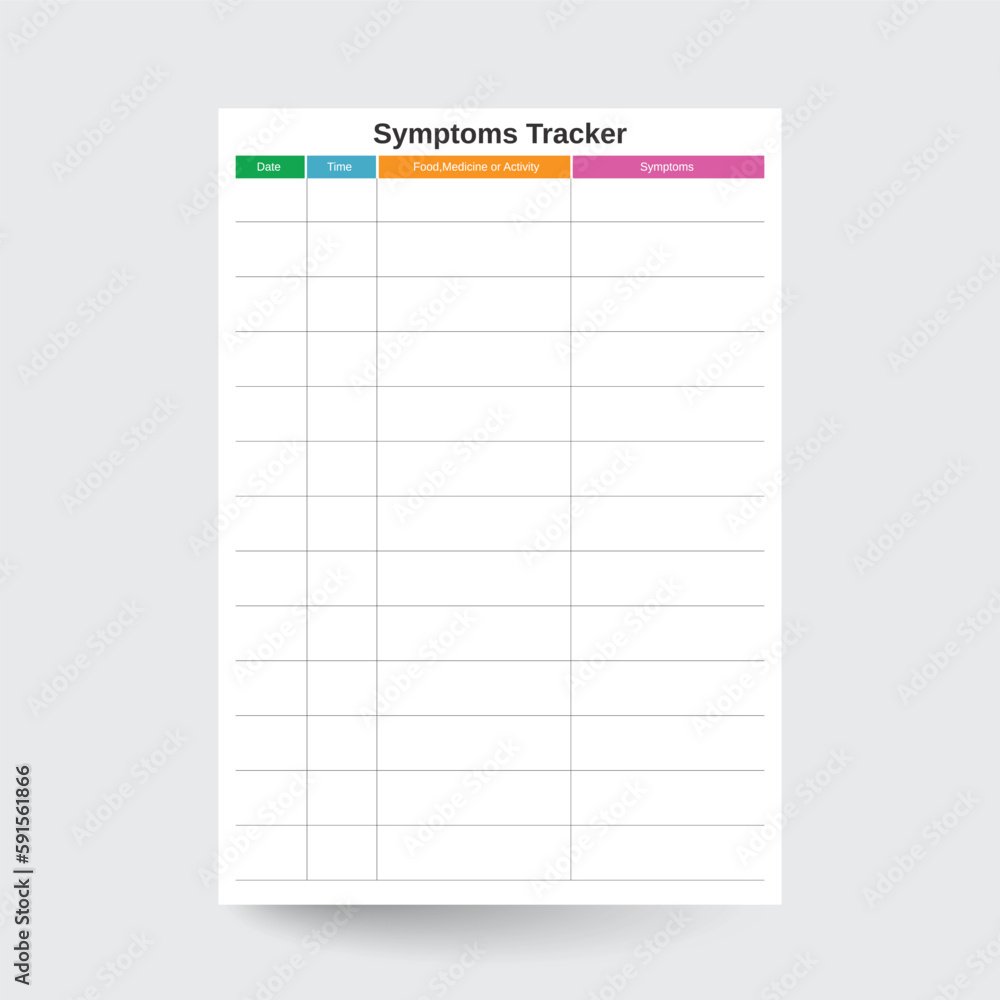
At its core, a symptom tracker is a structured tool designed to help you record and monitor your health symptoms over time. It provides dedicated space to document key details, ensuring consistency and making data retrieval easy. This isn't just a random diary entry; it's a focused, data-collection effort.
Whether you're dealing with allergies, digestive issues, pain, mood fluctuations, or recovering from an illness, a good tracker helps you capture what happened, when it started, its severity, potential causes or triggers, and how long it lasted. This structured data is invaluable for revealing insights into how factors like certain foods, stress, or lack of sleep impact your health.
The Concrete Benefits: How Tracking Transforms Your Health Journey
Beyond the general idea of "knowing more," daily symptom tracking offers several tangible advantages:
Empowering Doctor-Patient Communication
Have you ever left a doctor's appointment feeling unheard or like you didn't quite get all your concerns across? Symptom tracking changes that. By providing a clear, chronological log of your experiences, you give your doctor a robust data set to work with. No more relying on fuzzy memory; you bring objective evidence. This streamlines appointments, allowing your healthcare team to ask more targeted questions and make more informed decisions. It's an efficient way to make sure no crucial detail is missed.
Uncovering Hidden Triggers and Patterns
Many health issues aren't random; they're influenced by external factors. A symptom tracker helps you connect the dots. You might notice:
- A specific food consistently precedes digestive upset.
- Increased stress levels always lead to skin breakouts.
- Lack of sleep exacerbates your chronic pain.
- Certain weather patterns trigger your migraines.
Identifying these triggers is the first step towards managing or avoiding them. It moves you from reacting to symptoms to proactively influencing your health.
Managing Chronic Conditions with Precision
For those living with chronic conditions like IBS, fibromyalgia, migraines, or autoimmune diseases, symptom tracking isn't just helpful – it's often essential. It allows you to:
- Monitor Flare-ups: Understand their frequency, intensity, and duration.
- Assess Treatment Effectiveness: See if a new medication or therapy is genuinely making a difference.
- Communicate Progress: Clearly convey the ups and downs of your condition to specialists over time.
This detailed insight can be crucial for adjusting medication dosages, exploring alternative treatments, or simply gaining a greater sense of control over your condition.
Tracking Medication Side Effects and Efficacy
Starting a new medication can be a journey of its own. Is it working? Are there side effects? A symptom tracker helps you document both. You can note:
- When you started the medication.
- Any immediate or delayed side effects (nausea, dizziness, fatigue).
- How effective the medication is at relieving your target symptoms.
This data helps you and your doctor fine-tune your prescriptions, ensuring you're on the most effective path with the fewest unwanted reactions.
Monitoring Recovery and Wellness Goals
Whether you're bouncing back from the flu, recovering from surgery, or simply striving to improve your general wellness, tracking provides a benchmark. You can watch your progress unfold, celebrating small victories and identifying areas where you might need more support. It’s a great way to measure the impact of lifestyle changes – like increased exercise, dietary shifts, or mindfulness practices – on your overall health.
The Anatomy of a Good Symptom Entry: What to Track
To make your symptom tracking truly useful, it's important to capture the right information consistently. Here are the key elements to include with each entry:
- Date and Time: This is fundamental. Knowing when a symptom occurred is often as important as knowing what it was.
- Symptom Description: Be specific. Instead of "pain," write "throbbing headache behind left eye" or "sharp stabbing pain in lower back."
- Severity Rating: Use a consistent scale, typically 1-10 (1 being barely noticeable, 10 being the worst pain/symptom imaginable). This allows for objective comparison over time.
- Duration: How long did the symptom last? Minutes, hours, the entire day?
- Potential Triggers: What were you doing, eating, or experiencing leading up to the symptom?
- Food/Drink: Any new or suspect items?
- Activity Level: Recent exercise, prolonged sitting?
- Stress/Mood: Were you feeling anxious, stressed, or particularly happy?
- Sleep Quality: How well did you sleep the night before?
- Environment: Weather changes, allergens, pollution?
- Medications/Supplements: Did you take anything new or unusual?
- Relieving Factors: What, if anything, made the symptom better? (e.g., rest, medication, hydration, specific positions).
- Accompanying Symptoms: Did anything else happen at the same time? (e.g., a headache with nausea, fatigue with muscle aches).
- Additional Notes: A catch-all for anything else relevant. This could be how it impacted your day, any thoughts or concerns, or things you want to ask your doctor.
Choosing Your Weapon: Printable vs. Digital Trackers
The good news is you have options when it comes to how you track. The best choice for you depends on your preferences for technology, portability, and customization.
1. Printable Symptom Trackers: The Tangible Approach
What they are: These are physical templates you download, print, and fill out by hand. They can range from simple logs to highly detailed versions with severity scales, trigger prompts, duration fields, and even monthly charts for a bird's-eye view.
Pros:
- No Screens Needed: A welcome break from digital devices.
- Physical Connection: Many people find the act of writing therapeutic and memorable.
- Easy to Customize: You can design your own layout or mix and match different printable sheets.
- No Learning Curve: If you can write, you can use it.
Cons: - Portability: Requires carrying paper, a pen, and potentially a binder.
- Data Analysis: Manual analysis of patterns can be time-consuming.
- Storage: Can accumulate paper, potentially getting lost or damaged.
- Sharing: Needs to be physically brought to appointments or scanned.
Best for: Individuals who prefer a tactile experience, don't want to rely on tech, or appreciate integrating tracking into a broader physical health binder alongside other logs like medication or sleep. When choosing, it's always recommended to preview layouts for optimal fit before printing a stack.
2. Digital Daily Health Symptom Logs: The Power of Technology
What they are: These are app-based, web-based, or structured form templates designed for consistent daily health data collection. Think of them as smart, interactive questionnaires that store your responses electronically. Services like Jotform, for example, offer customizable templates specifically for daily health symptom logs.
Pros:
- Convenience & Portability: Accessible anytime, anywhere via your smartphone, tablet, or computer.
- Automated Data Analysis: Many digital trackers automatically store responses in tables or databases, allowing for easy filtering, analysis, and visualization of trends. This is a huge advantage for spotting patterns without manual calculation.
- Customization: Often feature drag-and-drop interfaces for tailoring questions, conditional fields (e.g., "If pain is >7, ask about medication taken"), colors, and fonts to your specific needs.
- Sharing: Easily export data or share access with caregivers, health coaches, or healthcare teams via links or secure platforms.
- Reduces Missed Details: Structured forms prompt you for all necessary information, reducing the chance of forgetting key details.
- Mobile-Responsive: Designed to work well on all devices.
Cons: - Requires a Device: Not ideal if you prefer to disconnect from screens.
- Learning Curve: Some apps/platforms might take a little time to navigate.
- Privacy Concerns: It's crucial to choose platforms with robust data security and privacy policies.
Best for: Individuals, caregivers, health coaches, and even healthcare teams or wellness programs looking for a standardized, efficient, and analytically powerful way to collect and review health data. They simplify trend analysis and enhance communication with professionals. For a deeper dive into managing your health data effectively, you might find it beneficial to Learn more about Day Doc. This type of digital solution can be a game-changer for those who want to turn their daily observations into clear, actionable insights.
Making It a Habit: Tips for Consistent Tracking
Consistency is key to unlocking the true value of symptom tracking. Here’s how to build it into your routine:
- Start Small: Don't try to track everything at once. Begin with your primary concern (e.g., headaches) and add more details as you get comfortable.
- Pick the Right Tool: If a paper log feels like too much effort, try a digital one. If apps overwhelm you, stick to paper. The best tool is the one you'll actually use.
- Set Reminders: Use your phone's alarm, a sticky note, or integrate it into an existing daily habit (e.g., track symptoms while drinking your morning coffee or before bed).
- Keep it Accessible: Have your tracker (or device) readily available. If it's a hassle to get to, you're less likely to use it.
- Be Kind to Yourself: Missed a day? It's okay! Just pick up where you left off. Don't let perfection be the enemy of good.
- Focus on "Why": Remind yourself why you're tracking. Better health, clearer answers, more effective treatment. This motivation can help you stay on track.
Decoding Your Data: Looking for Patterns and Trends
Collecting data is only half the battle; the real magic happens when you start analyzing it. Here’s how to become a master pattern-spotter:
- Weekly and Monthly Reviews: Set aside time once a week or month to look back at your entries.
- Color-Coding (Printable): Use highlighters to mark different symptom severities, types of triggers, or good/bad days.
- Filtering & Sorting (Digital): Leverage the features of digital trackers to sort symptoms by severity, date, or specific triggers.
- Look for Correlations:
- Time of Day: Do symptoms always appear in the morning, afternoon, or evening?
- Day of Week: Are symptoms worse on weekends or during the workweek?
- Activities: Do symptoms follow certain activities (e.g., exercise, long periods of sitting)?
- Diet: Can you link symptoms to specific foods or meal times?
- Sleep: Is there a relationship between sleep quality/duration and your symptoms?
- Stress: Does symptom intensity increase during stressful periods?
- Menstrual Cycle (for women): Track how symptoms align with your cycle.
- Quantify Changes: Note if severity ratings are generally decreasing or increasing over time.
- Identify Anomalies: Pay attention to any unusual spikes or unexpected changes.
Remember, you're looking for consistent relationships, not just one-off occurrences. The more data you collect, the clearer these patterns will become.
Sharing Your Insights: Maximizing Your Doctor Visits
The ultimate goal of daily symptom tracking is often to inform your healthcare team. Here's how to make those conversations as productive as possible:
- Bring the Raw Data: Whether it's your binder or your device, have your complete log accessible.
- Summarize Key Findings: Before your appointment, spend a few minutes preparing a concise summary of what you've noticed. "Over the past month, my headaches have increased from twice a week to four times a week, and I've noticed they're always worse on days I skip breakfast."
- Highlight Specific Concerns: Point out any particular patterns, new symptoms, or alarming changes you've observed.
- Be Open to Interpretation: While your observations are crucial, remember your doctor is the expert in diagnosis. Present your data respectfully and be open to their professional interpretation and further questions.
- Discuss Next Steps: Ask your doctor how they want you to continue tracking, or if there are specific symptoms they want you to focus on.
Common Questions & Misconceptions About Symptom Tracking
"Isn't this just overthinking my health?"
Not at all. This is about mindful thinking and conscious observation. Overthinking is often rooted in anxiety and a lack of data; tracking provides objective data that can actually reduce anxiety by giving you a sense of control and clarity. It helps you distinguish between fleeting discomforts and significant patterns.
"Do I need a fancy app or just a notebook?"
Either works! The "best" tool is the one you'll consistently use. A simple notebook is perfectly fine if you're disciplined about recording the key details. Fancy apps often add convenience for analysis and sharing, but they aren't a prerequisite for effective tracking.
"What if I miss a day (or several)?"
Don't sweat it. Life happens. The most important thing is to pick up where you left off. Even incomplete data is better than no data. Consistency over time is more valuable than perfect daily entries.
"Will my doctor actually care about all this data?"
Yes! Most doctors appreciate objective, organized data. It helps them piece together a clearer picture of your health story, especially for conditions with fluctuating symptoms. It saves time during the appointment and leads to more informed discussions.
Beyond the Basics: Advanced Uses of Symptom Tracking
Once you've mastered the fundamentals, symptom tracking can become an even more versatile tool:
- Food Sensitivity Identification: Meticulously track food intake alongside digestive or other symptoms. Many specialized apps exist for this, but a detailed log can work too.
- Sleep Quality Analysis: Integrate your symptom log with sleep data (from a wearable device or sleep tracker) to see how sleep impacts other symptoms and vice-versa.
- Mood & Mental Health: Track mood fluctuations, anxiety levels, and energy alongside physical symptoms to understand the mind-body connection.
- Environmental Triggers: Note changes in weather, air quality, or exposure to allergens to identify external influences.
The more detailed and interlinked your tracking becomes, the more profound insights you can uncover about your unique physiology and holistic wellbeing.
Your Health Story, Unlocked
Daily Health Symptom Tracking is more than just a task; it's a powerful tool for self-discovery and empowerment. By consistently documenting your body's signals, you transition from passively experiencing your health to actively understanding and influencing it. You give yourself, your caregivers, and your healthcare team the invaluable gift of clarity, paving the way for more informed decisions and a healthier, more vibrant you.
Start small, stay consistent, and prepare to unlock a wealth of insights about your own wellbeing. Your body is always communicating; learning to listen through structured tracking is one of the most proactive steps you can take for your health.